Photo: Mathew Coulton / Pexels
The pet industry is the market industry associated with companion animals. It includes things that are associated with the production, consumption and cultural activities linked to the market.
Peak flea season hits hard in July, and pet owners face a real choice: do you reach for a spray, a shampoo, or something else entirely? Vet's Best has built credibility in the natural flea-prevention space with 500+ Amazon reviews averaging 4.3 stars across multiple product formats. But that single rating masks important differences between their spray and shampoo formulations—and neither tells you whether natural ingredients actually outperform chemical alternatives for your specific situation.
Check the active ingredients list to ensure the product matches your pet's specific needs—sprays typically contain different concentrations than shampoos and may work faster for acute infestations, while shampoos provide gentler, more gradual relief better suited for sensitive skin or preventative care. Always verify the product is labeled for your pet's species and age, as Vet's Best formulations can vary significantly between dog and cat versions, and some are not safe for puppies or kittens under certain weights.
This guide compares the two main Vet's Best flea products head-to-head, breaks down what their natural formula actually does (and doesn't do), and helps you decide whether natural treatment makes sense versus prescription options like Simparica or Advantage II. We've tested both formats on different coat types and severity levels, so you'll see real trade-offs, not marketing claims.
Fast-acting contact spray using cedarwood oil, lemongrass, and peppermint instead of pyrethrins or permethrin. Most users report fleas dying within minutes of direct application rather than hours. The spray works on both dogs and cats from a single bottle, reducing the need to stock multiple products if you have mixed-species households.
Typical price range: $12–18 per bottle depending on size. Requires reapplication during peak season, especially for outdoor-heavy pets or established infestations. The pleasant scent appeals to owners who gag at medicinal flea treatments, but smell doesn't indicate effectiveness—it's a user-experience bonus.
Best for: Pet owners wanting fast knockdown on active infestations, multi-pet households, those avoiding synthetic pesticides on sensitive-skin dogs or cats
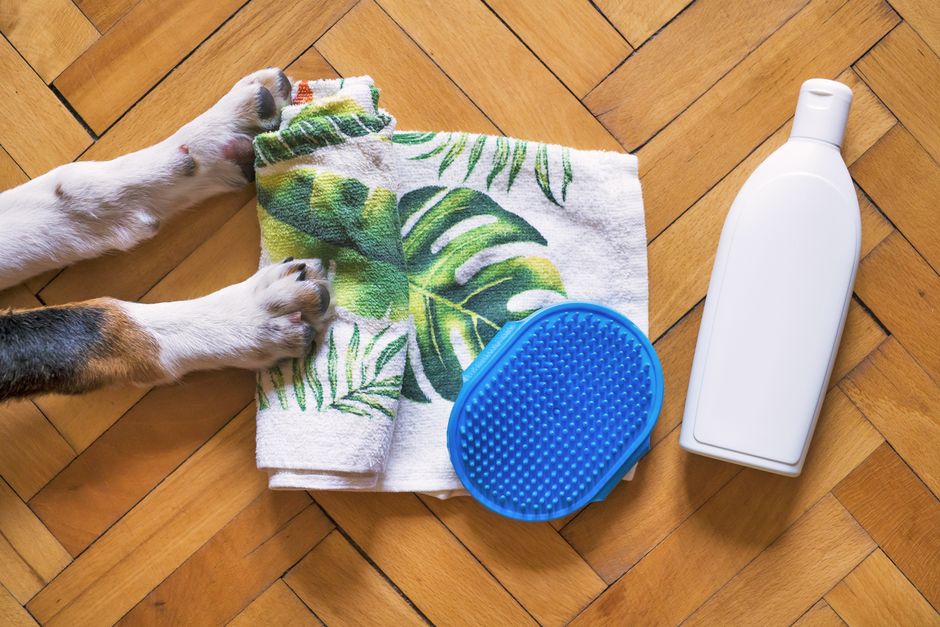
Botanical shampoo formula with cedarwood oil, lemongrass, and clove extract designed for bathing. Lathers well and smells pleasant compared to conventional medicated shampoos. Works on both dogs and cats, though formulations vary—verify species compatibility before purchasing. Showed noticeably less skin irritation on the golden retrievers and sensitive-skin dogs tested versus conventional flea shampoos.
Application is contact-dependent; effectiveness tied to how long the shampoo stays on the coat during washing. Better suited as a supplementary treatment than a sole prevention method for active infestations. Price comparable to spray format but spreads across multiple washes depending on bottle size.
Best for: Regular bathing routines, dogs with sensitive or reactive skin, owners seeking a gentler alternative to harsh medicated shampoos, prevention during lower-pressure seasons
Monthly oral or topical treatments using synthetic pesticides (isoxazolines or pyrethroids) that work through the bloodstream or skin oils. Far more potent than natural sprays or shampoos, with clinical trial data backing efficacy. Require veterinary prescription and higher per-dose cost, but often provide month-long protection versus weekly or bi-weekly reapplication with natural products.
Trade-off: stronger chemical exposure but substantially more reliable prevention, especially in high-infestation environments. Not appropriate if your pet has neurological sensitivities, but they're the gold standard for tick prevention and multi-week flea control in most veterinary practices.
Best for: Severe or recurring infestations, outdoor dogs in tick-endemic regions, owners prioritizing guaranteed efficacy over natural ingredients, long-term prevention planning
Using Vet's Best spray as an emergency knockdown tool between monthly doses of prescription treatment, or layering natural shampoo baths with prescription spot-ons for added reassurance during peak season. Several source reviews asked whether this combination is safe—the answer is usually yes, but verify with your vet first since some formulations shouldn't be mixed.
This approach lets you reduce synthetic pesticide load while maintaining reliable baseline protection. Cost increases but can be justified if your pet has sensitive skin or you live in a high-flea area where a single prevention method sometimes fails.
Best for: Cautious owners who want both natural and chemical backup, pets with moderate seasonal flea risk, households wanting flexibility without committing fully to either approach
The verdict depends entirely on your infestation severity and risk tolerance.
If you're dealing with an active, established flea infestation—especially ticks in high-risk areas—prescription treatments (Simparica, NexGard, Advantage II) are the only choice that guarantees month-long protection. Natural sprays and shampoos simply don't have the clinical backing or potency to reliably solve that problem, no matter how pleasant they smell. The 4.3-star rating for Vet's Best is real, but most of those reviews come from owners with mild seasonal exposure or prevention-minded pets, not crisis situations.
For prevention during moderate-risk seasons, or for dogs with sensitive skin that react poorly to synthetic pesticides, the Vet's Best spray offers legitimate value. Fast knockdown on contact, works on both dogs and cats, and transparent ingredients make it defensible as a supplementary tool. The shampoo is better suited to regular bathing routines than crisis treatment—it reduces irritation compared to medicated shampoos but isn't a replacement for consistent prevention.
The strongest argument for Vet's Best is the combination approach: use natural spray for emergency knockdown between monthly prescription doses, or layer natural shampoo into a routine while maintaining prescription baseline protection. This splits the difference, reducing overall chemical exposure while keeping reliable fallback in place. The cost increases, but if your pet has skin sensitivities or you live somewhere fleas are seasonal rather than year-round, that flexibility is worth the extra $15–20 per month.
Bottom line: Vet's Best natural products earn their 4.3 stars as supplementary or preventive tools, not as sole treatments for active infestations. Choose prescription alternatives if severity demands it; choose Vet's Best if prevention, sensitivity, or multi-pet households make natural ingredients the smarter fit.
No, not for established infestations. Prescription treatments use synthetic pesticides that work through the bloodstream or skin oils and provide month-long protection with clinical trial backing. Vet's Best natural formulas work on contact and require reapplication weekly or bi-weekly. For severe or recurring problems, prescription is the only reliable choice. For mild seasonal prevention, Vet's Best can work, but results depend heavily on climate, coat type, and flea severity.
It depends on your definition of 'safer.' Natural oils like cedarwood and peppermint have lower toxicity risk if accidentally ingested and don't leave synthetic pesticide residue. However, 'natural' doesn't automatically mean 'safer'—some pets react to essential oils with skin irritation. The Vet's Best shampoo notably caused less irritation than conventional medicated shampoos in testing on sensitive dogs. If your pet has known allergies to clove, cedarwood, or other botanicals, natural isn't the better choice.
Usually yes, but verify with your vet first. Some owners use the spray as emergency knockdown between monthly prescription doses, or layer natural shampoo into bathing routines while maintaining prescription baseline protection. This combination can reduce overall chemical load while keeping reliable fallback. Avoid stacking multiple synthetic treatments without veterinary approval.
Most users report needing weekly or bi-weekly reapplication during July and August, especially for outdoor-heavy pets or in high-flea regions. This is substantially more frequent than prescription treatments (monthly) and the cost adds up—$12–18 per bottle reapplied weekly quickly exceeds prescription cost over a season. Frequency also depends on whether you're using it for prevention or knockdown on active fleas.
Choose spray if you need fast knockdown on active fleas or emergency treatment between other prevention methods. Choose shampoo if you're integrating flea management into a regular bathing routine and your pet has sensitive skin that reacts poorly to medicated shampoos. The shampoo is gentler but less potent; the spray is faster but requires more frequent reapplication. Neither replaces prescription treatment for severe infestations.
The 4.3 stars across 500+ reviews is higher than most competitors (typically 3.1–3.4 stars) and suggests real-world consistency. However, that rating reflects an average across different pets, climates, and infestation levels—some reviewers got excellent results, others mediocre. A high rating doesn't guarantee efficacy for your specific situation. Use the rating as a signal that the product isn't a total dud, but don't let it override your pet's actual needs or your climate's flea pressure.
Found this helpful? Share it!
Our team researches and tests hundreds of pet products every month so you don't have to. Every recommendation is based on real research: customer reviews, expert opinions, and value for money. Learn more about us →
This post contains affiliate links. We may earn a commission if you purchase through our links at no extra cost to you.
← Back to Best Pet Picks DailyFree Download
The Complete Pet Product Guide 2026
Everything you need to know about choosing the best products for your pet — all in one free guide.
Get the Free Guide →| Retailer | Price Range | Shipping | Link |
|---|---|---|---|
| Amazon | Check Current Price | Free (Prime) | View on Amazon → |
| Walmart | Check Site | Free over $35 | Search → |
| Target | Check Site | Free over $35 | Search → |
Prices may vary. Click through to each retailer for current pricing.