Photo: MART PRODUCTION / Pexels
The pet industry is the market industry associated with companion animals. It includes things that are associated with the production, consumption and cultural activities linked to the market.
When temperatures climb, pet owners often wonder whether their dog's diet affects heat tolerance and comfort. The choice between raw dog food, freeze-dried formulas, and traditional kibble becomes especially relevant during summer months, as each option affects hydration, metabolism, and thermoregulation differently.
This guide compares three distinct feeding approaches—fresh raw, freeze-dried raw, and shelf-stable kibble—with real trade-offs in moisture content, digestibility, storage demands, and cost. We'll examine why raw diets typically contain 60–75% moisture while kibble sits closer to 10%, and what that actually means for your dog's performance in heat.
Check the storage requirements and your freezer capacity before committing to raw dog food, as it requires consistent refrigeration or freezing in hot weather, whereas kibble only needs a cool, dry pantry space that's easier to maintain during summer months.
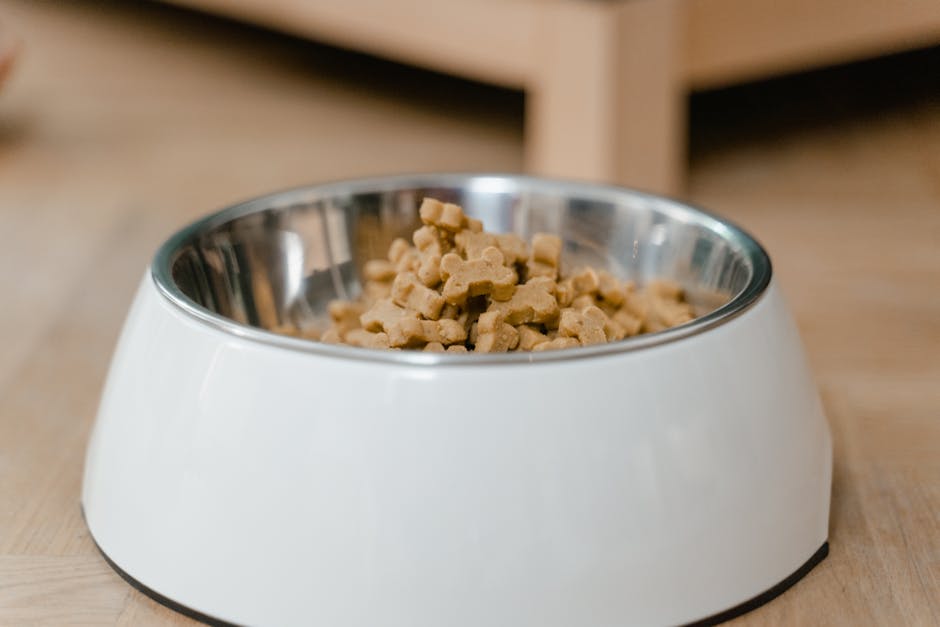
Dry, processed kibble is shelf-stable, requires no refrigeration, and offers maximum convenience. However, the heavy processing and low moisture content (typically under 10%) means dogs eating kibble must drink significantly more water to stay hydrated. Kibble also generates more metabolic heat during digestion because the dog's system works harder to break down processed, nutrient-depleted ingredients.
Storage is straightforward in hot weather—kibble won't spoil—but quality can degrade if stored in direct heat or high humidity. Portions are simple to measure and the cost-per-serving remains the lowest of the three options.
Best for: Budget-conscious owners prioritizing convenience over digestibility; dogs without heat sensitivity; owners with limited freezer space
Raw diets deliver whole, unprocessed ingredients with natural moisture levels (60–75%), supporting optimal hydration without forcing dogs to drink extra water. Raw nutrition works with the dog's natural digestive system rather than against it, reducing metabolic heat generation and supporting efficient nutrient absorption.
The trade-off is substantial: raw food requires refrigeration or freezing, spoils quickly in hot weather, demands insulated shipping with ice packs during summer months, and requires advance meal planning. Thawing time must be factored into daily feeding routines, and proper storage space is essential.
Best for: Health-conscious owners with adequate freezer capacity; dogs with digestive sensitivities; owners able to plan meals in advance and manage temperature-sensitive logistics
Freeze-dried raw combines the nutritional advantages of raw food—whole ingredients, no synthetic additives, preserved natural nutrients—with dramatically improved stability and shelf-life. Freeze-dried formulas eliminate the need for refrigeration or freezing, reducing storage demands compared to fresh raw, while maintaining superior digestibility and moisture-supporting benefits versus kibble.
Cost sits between fresh raw and kibble. Rehydration is required before feeding (adding back the moisture benefit), and the product commands a premium price. Storage remains simpler than fresh raw but requires more space and planning than kibble.
Best for: Owners seeking premium nutrition without full freezer demands; dogs needing high-quality raw-equivalent diets with convenience; those balancing nutrition and practicality
For summer heat management, raw and freeze-dried diets outperform kibble—but the best choice depends on your logistics and budget. If you have reliable freezer space and can manage advance planning, fresh raw food (like Zeal's raw lines) delivers maximum hydration and digestive efficiency, making it the top choice for dogs sensitive to heat. The 60–75% moisture content eliminates forced water consumption, and whole-food nutrition reduces metabolic heat generation.
If fresh raw logistics prove impractical, freeze-dried raw (like Zeal's freeze-dried formula) is the pragmatic middle ground—you retain the nutritional advantages of raw food without refrigeration, ice packs, or spoilage risk. Rehydration restores moisture benefits, and shelf-stability solves summer shipping vulnerabilities. Cost is higher than kibble but lower than fresh raw.
Kibble remains the only option for budget-first households or owners without freezer capacity, but acknowledge the trade-off: low moisture content requires your dog to drink significantly more water, and the digestive workload generates excess heat—a genuine disadvantage in hot weather. If kibble is your choice, verify heat-tolerance specs and ensure your home's cooling can compensate.
Bottom line: Raw or freeze-dried beats kibble for hot-weather performance, but freeze-dried bridges nutrition and convenience when fresh raw isn't feasible.
Fresh raw food is safe if properly handled, but hot weather creates real risks: spoilage during transit without insulated packaging, bacterial growth if thawed incorrectly, and rapid degradation in unrefrigerated storage. Verify your supplier offers proper insulated shipping and always maintain cold chain integrity. Freeze-dried raw eliminates these risks entirely by removing moisture.
Dogs eating kibble (typically 10% moisture) must drink substantially more water than those on raw diets (60–75% moisture) to achieve the same hydration levels. Exact amounts vary by dog size and kibble formula, but the physiological burden is significant in hot weather. If choosing kibble, monitor water intake closely and ensure constant access to cool, fresh water.
Kibble typically costs $1–3 per pound. Fresh raw food ranges $4–8+ per pound depending on brand and quality (Zeal's raw products fall in this range). Freeze-dried raw costs $5–10+ per pound but requires less volume per serving than fresh raw due to concentration. Premium kibble can reach $3–5 per pound, narrowing the gap somewhat.
Rapid transitions risk digestive upset, which generates additional metabolic heat—the opposite of what you want in summer. Transition over 7–10 days by gradually replacing kibble with raw or freeze-dried product. Start slow, monitor stool quality and energy levels, and consult your vet if your dog has a sensitive digestive system.
Yes, freeze-drying removes water without heat, preserving whole ingredients, natural enzymes, and nutrient density far better than kibble's high-heat processing. However, rehydration is required before feeding (returning moisture to the diet), making it less convenient than kibble but more stable than fresh raw. Nutritionally, freeze-dried raw is substantially equivalent to fresh raw.
Kibble doesn't spoil, but quality degrades: fats oxidize, synthetic nutrients degrade, and moisture absorption can occur, promoting mold growth. Store kibble in airtight containers in cool, dry areas. If your home lacks air conditioning, consider smaller bags purchased more frequently to minimize heat exposure.
Found this helpful? Share it!
Our team researches and tests hundreds of pet products every month so you don't have to. Every recommendation is based on real research: customer reviews, expert opinions, and value for money. Learn more about us →
This post contains affiliate links. We may earn a commission if you purchase through our links at no extra cost to you.
← Back to Best Pet Picks DailyFree Download
The Complete Pet Product Guide 2026
Everything you need to know about choosing the best products for your pet — all in one free guide.
Get the Free Guide →| Retailer | Price Range | Shipping | Link |
|---|---|---|---|
| Amazon | Check Current Price | Free (Prime) | View on Amazon → |
| Walmart | Check Site | Free over $35 | Search → |
| Target | Check Site | Free over $35 | Search → |
Prices may vary. Click through to each retailer for current pricing.