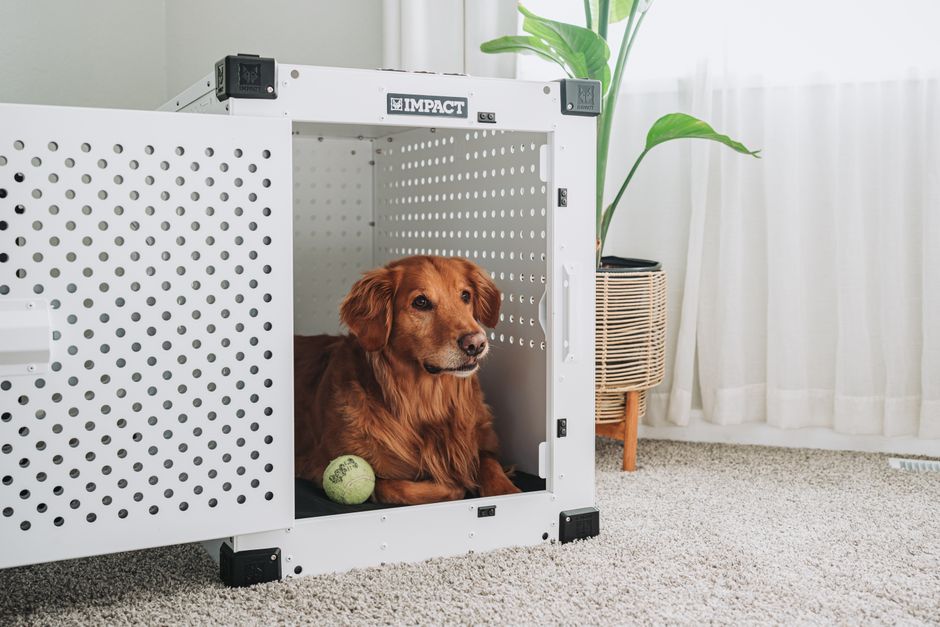
Photo: Impact Dog Crates / Pexels
The pet industry is the market industry associated with companion animals. It includes things that are associated with the production, consumption and cultural activities linked to the market.
As U.S. pet spending exceeds $150 billion annually, pet owners are investing heavily in comfort solutions—but not all summer pet furniture is equal. When temperatures rise, your pet needs furniture that actively manages heat, not just looks good. The challenge: should you choose an elevated cooling bed, a ventilated crate, or dedicated outdoor furniture?
Each option addresses hot-weather comfort differently. Elevated beds promote airflow underneath and prevent heat absorption. Ventilated crates combine containment with breathability for travel and outdoor activities. Outdoor furniture must withstand both heat and humidity while maintaining durability. This guide cuts through the marketing and compares these distinct solutions based on actual performance features, not brand loyalty.
Look for pet furniture with breathable mesh or elevated designs that allow air circulation underneath, as these materials help dissipate heat much better than solid cushioned beds during warm months. Check the product reviews specifically for mentions of temperature control and durability in hot climates before purchasing, since materials like memory foam can retain heat and become uncomfortable for pets.
Elevated cooling beds use mesh or breathable fabric stretched across a frame, keeping pets off hot ground surfaces. The design allows air circulation underneath, preventing heat buildup that occurs with traditional foam or cushioned beds. Many feature cooling gel inserts or light-colored fabrics that reflect rather than absorb solar heat.
These beds work best indoors or on covered patios where your pet rests most of the day. They're portable enough to move between rooms but less durable than outdoor-rated furniture when exposed to constant sun and moisture.
Best for: Pet owners with dogs or cats spending extended periods resting indoors or under cover; homes with air conditioning where supplemental cooling helps during peak heat hours
Summer crates prioritize airflow through mesh panels and slatted designs rather than solid plastic or metal. Unlike standard crates that trap heat, ventilated versions allow cross-air circulation and prevent temperature spikes during travel or temporary containment. They're designed to maintain breathability while still providing the security and structure dogs need.
These crates excel during summer activities—camping trips, car travel, backyard confinement—where your dog needs a safe space but can't be left in a static indoor location. They're heavier and bulkier than regular crates, making portability a trade-off for the cooling benefit.
Best for: Dogs that travel frequently in summer, pets requiring temporary outdoor containment during activities, owners who camp or take extended trips during warm months
Outdoor pet furniture combines elevated beds or lounges with integrated or adjacent shade structures. Materials are chosen specifically to withstand UV exposure, humidity, and weather while maintaining breathability—typically light-colored mesh, treated fabrics, or aluminum frames. Some designs include waterproof cushioning that dries quickly rather than absorbing and retaining moisture.
These pieces are meant to stay outside season-round (or at least throughout summer) without degradation. They handle direct sun exposure that would damage indoor beds and resist mold or mildew growth common in humid climates. The trade-off is higher initial cost and limited portability once installed.
Best for: Owners with dedicated outdoor spaces (patios, yards), pets spending significant daytime hours outside, climates with high humidity where traditional beds develop mold, homes without air conditioning
Some cooling beds blur the line between indoor and outdoor use, featuring breathable mesh and elevated designs that work in both environments. They're designed to tolerate occasional sun exposure and moisture without immediate degradation, while maintaining portability for moving indoors during peak heat or nighttime.
These are compromise solutions—neither optimized for permanent outdoor installation nor as specialized for climate-controlled indoor spaces as dedicated beds. They appeal to owners wanting flexibility without committing to multiple furniture pieces.
Best for: Pet owners with variable routines (some indoor, some outdoor time), seasonal pets, smaller homes where furniture must serve multiple purposes, budget-conscious buyers avoiding duplicate purchases
Elevated cooling beds win for stationary indoor/covered use. If your pet spends most of their day resting in one climate-controlled location, a mesh-elevated bed with cooling gel inserts (like AECOJOY offerings) delivers the best comfort-to-cost ratio. Performance reviews specifically mentioning temperature retention throughout the day matter more than generic 'cooling' claims.
Ventilated crates are essential if summer involves travel or outdoor activities. Standard crates trap dangerous heat levels during car trips or temporary outdoor confinement. Summer-rated ventilated designs aren't optional luxury—they're safety equipment for active seasons. Their bulk is worth the airflow benefit.
Outdoor furniture is the investment for climates or routines where your pet lives outside during daylight. High-humidity regions, homes without AC, or pets that camp/stay outdoors frequently justify the $150+ cost. Indoor cooling beds fail in these scenarios because they absorb moisture and degrade under UV exposure. Outdoor-rated materials are genuinely different, not marketing.
Hybrid indoor/outdoor beds make sense only if you're truly moving furniture between spaces regularly. Otherwise, they underperform both dedicated options. The portability appeal rarely matches actual usage patterns.
Most pet owners benefit from combining solutions: an elevated cooling bed indoors for daily rest, plus a ventilated crate if summer includes travel. Dedicated outdoor furniture is worthwhile only after confirming your pet actually spends significant daytime hours outside.
Cooling gel absorbs and slowly dissipate body heat, keeping the insert cool longer than ambient temperature without electricity. The effect is supplemental—it extends comfort during peak heat but doesn't replace shade, hydration, or reducing exercise during dangerous temperatures. Gel inserts lose effectiveness if your pet sits in one spot for hours without the gel regenerating; they work best with air circulation underneath (elevated beds) or movement.
Regular cushioned beds actively work against comfort in heat—they absorb and trap warmth, making overheating worse. Elevated mesh beds genuinely cool through airflow; non-elevated summer furniture is marketing. If cost is the only barrier, a DIY elevated platform (plywood on low legs with a mesh sheet) beats a regular cushioned bed. Specialized summer furniture addresses real physics, not preference.
Outdoor furniture withstands direct UV exposure, moisture, and humidity without degradation—materials are treated or inherently resistant. Indoor beds degrade quickly in these conditions (mold, material breakdown, fading). A 'covered patio' isn't the same as outdoors; consistent moisture and UV still damage non-rated furniture. If your pet sits in direct sun for hours, outdoor-rated materials are mandatory, not optional.
Only if your dog spends extended time in outdoor containment during summer—yard confinement during activities, outdoor time without shade access, or temporary lockdown while you're working outside. If containment happens indoors or briefly, a regular crate suffices. Ventilated crates are overengineered for dogs who only crate indoors in climate-controlled spaces.
Mesh surfaces catch fur, dust, and allergens more than solid fabrics—weekly or bi-weekly vacuuming prevents buildup. Most are machine-washable covers (check labels). Outdoor furniture needs monthly inspection for mold/mildew in humid climates. Gel inserts shouldn't be fully submerged; hand-wash or spot-clean according to manufacturer specs to preserve effectiveness.
Measure your pet lying flat in their relaxed sleeping position, then add 4-6 inches on each side. Undersized beds force uncomfortable curling; oversized beds waste space and reduce the 'security' many pets prefer. For crates, follow airline guidelines: dog should stand, turn around, and lie flat comfortably. Outdoor furniture sizing is less critical since it doesn't confine—focus on adequate elevation and length for stretching.
Found this helpful? Share it!
Our team researches and tests hundreds of pet products every month so you don't have to. Every recommendation is based on real research: customer reviews, expert opinions, and value for money. Learn more about us →
This post contains affiliate links. We may earn a commission if you purchase through our links at no extra cost to you.
← Back to Best Pet Picks DailyFree Download
The Complete Pet Product Guide 2026
Everything you need to know about choosing the best products for your pet — all in one free guide.
Get the Free Guide →| Retailer | Price Range | Shipping | Link |
|---|---|---|---|
| Amazon | Check Current Price | Free (Prime) | View on Amazon → |
| Walmart | Check Site | Free over $35 | Search → |
| Target | Check Site | Free over $35 | Search → |
Prices may vary. Click through to each retailer for current pricing.
