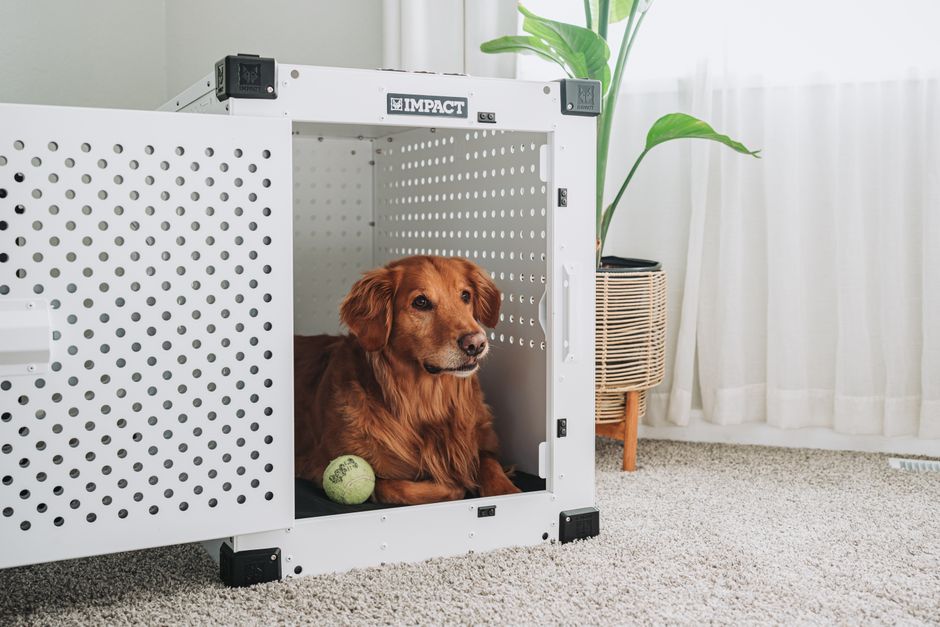
Photo: Impact Dog Crates / Pexels
The pet industry is the market industry associated with companion animals. It includes things that are associated with the production, consumption and cultural activities linked to the market.
Choosing between an outdoor pet bed and a traditional indoor crate is one of the most consequential decisions dog owners face—yet most guides treat them as interchangeable options. They're not. These serve fundamentally different purposes, suited to different dogs, living situations, and training stages.
This guide cuts through the comparison clutter by examining what outdoor pet beds (including AECOJOY and similar raised mesh and cushioned options) actually offer versus traditional crates, with honest pros and cons for each. We'll help you determine which setup your dog needs, whether that's one, both, or something else entirely.
Check the material's weather resistance and drainage features if placing the bed outdoors, as moisture buildup can cause mold and shorten the product's lifespan, while indoor crates should prioritize ventilation and easy cleaning rather than waterproofing. Consider your dog's actual usage patterns—if they spend most time indoors, a crate with proper sizing for their breed will provide better security and training benefits than an outdoor bed they'll rarely use.
Enclosed structures designed to create a den-like, confined space. Typically made from plastic, metal, or wire, these have been the standard in dog training for decades. They serve multiple purposes: house training, safe travel, behavioral management, and providing a secure space when you can't supervise your pet.
Many trainers recommend crates because they align with dogs' natural instinct to have a safe, enclosed den. They're especially effective for puppies during potty training and anxious dogs who need boundaries.
Best for: Puppies in house training, anxious dogs, travel, containment when unsupervised, and behavioral management
Elevated outdoor beds, often featuring breathable mesh or cushioned surfaces designed to withstand weather exposure. These beds prioritize airflow, drainage, and durability against rain, sun, and temperature extremes. They're built for yards and patios rather than indoor spaces.
AECOJOY and similar brands have engineered these to combine comfort with outdoor longevity, though they require adequate shade nearby and don't provide the enclosed protection of traditional crates.
Best for: Dogs spending extended time outdoors, hot climates, yards with established shade, and owners prioritizing outdoor aesthetics alongside function
Soft, comfort-focused beds designed for indoor living rooms, bedrooms, or dens. These prioritize aesthetics and orthopedic support, with cushioning and upholstered surfaces. They don't confine or train—they're for resting in supervised, climate-controlled spaces.
AECOJOY offers indoor options that bridge comfort and style, but these lack the containment functionality of crates and the weather resistance of outdoor beds.
Best for: Adult dogs in calm households, aesthetic home integration, dogs that don't need containment training, and supplementary comfort spaces
Using both a traditional crate and an outdoor pet bed in the same home. The crate handles training, travel, and unsupervised confinement; the outdoor bed provides comfortable outdoor lounging when you're home and supervising or the dog has yard access.
This approach acknowledges that outdoor beds cannot replace crates for training or containment, and crates alone don't give dogs the benefits of outdoor time and fresh air.
Best for: Households with varied needs, puppies transitioning to adulthood, dogs with both indoor and outdoor lifestyles, and owners who can invest in both
There is no single 'right' answer because these products solve different problems. If you have a puppy, a anxious dog, or need a portable travel solution, a traditional indoor crate is non-negotiable—outdoor beds cannot perform these functions. If your dog spends extended time in a secure yard and you want comfortable outdoor lounging, an outdoor bed like AECOJOY makes genuine sense for that use case specifically. But here's what the source material and product realities show: most households benefit from both. Use a crate for training, confinement, and travel. Use an outdoor bed (or cushioned indoor bed) for supplementary comfort when you can supervise. Don't expect either alone to handle every scenario. Before buying, check AECOJOY outdoor bed dimensions carefully against your dog's length when fully stretched—these beds often run smaller than crates and undersizing defeats the comfort purpose. Similarly, verify material weatherproofing and UV resistance for your specific climate by reading regional customer reviews. A $200 outdoor bed won't last two seasons in harsh sun without proper material treatment, making it a poor investment relative to a traditional crate's durability indoors.
No. Outdoor beds lack containment and won't establish the den-like boundaries puppies need to learn bladder control. Crates remain the standard for house training because they create a defined space where dogs naturally avoid soiling. Outdoor beds are for supplementary comfort, not primary training.
Most AECOJOY raised mesh beds are water-resistant but not fully waterproof, and they're better suited to mild-to-moderate climates. Check customer reviews for durability in your specific region's rain, sun exposure, and temperature extremes. In extreme cold or heat, these beds lack the shelter of enclosed crates and won't protect dogs from dangerous conditions.
Raised mesh outdoor beds prioritize drainage, airflow, and weather resistance for yard use. Cushioned indoor beds prioritize comfort, aesthetics, and orthopedic support for climate-controlled indoor spaces. Outdoor beds are harder and more functional; indoor beds are softer and decorative. Neither serves the confinement role of traditional crates.
For most households with varied needs, yes. Use a crate for house training, travel, and unsupervised confinement—these are non-negotiable uses where outdoor beds fail. Use an outdoor bed or cushioned indoor bed for comfort when you're supervising or the dog has safe outdoor access. One rarely replaces the other entirely.
Weather-resistant outdoor furniture requires durable, UV-treated materials and elevated construction to handle moisture and temperature swings. Budget crates are plastic or basic wire designed for indoor confinement. You're paying for durability outdoors, not just brand markup. A poorly made outdoor bed will fail in one season; a well-made one lasts years.
Measure your dog's length and width when fully stretched out, then compare those dimensions directly to the AECOJOY bed specs. Outdoor beds often run smaller than traditional crates and may not accommodate large or long dogs. An undersized bed defeats the comfort purpose entirely.
Found this helpful? Share it!
Our team researches and tests hundreds of pet products every month so you don't have to. Every recommendation is based on real research: customer reviews, expert opinions, and value for money. Learn more about us →
This post contains affiliate links. We may earn a commission if you purchase through our links at no extra cost to you.
← Back to Best Pet Picks Daily Shop on Amazon →| Retailer | Price Range | Shipping | Link |
|---|---|---|---|
| Amazon | Check Current Price | Free (Prime) | View on Amazon → |
| Walmart | Check Site | Free over $35 | Search → |
| Target | Check Site | Free over $35 | Search → |
Prices may vary. Click through to each retailer for current pricing.
Free Download
The Complete Pet Product Guide 2026
Everything you need to know about choosing the best products for your pet — all in one free guide.
Get the Free Guide →