The pet industry is the market industry associated with companion animals. It includes things that are associated with the production, consumption and cultural activities linked to the market.
Bringing home a new dog is one of the best decisions you'll ever make — and also one of the most overwhelming. That's why we put together this starter kit with four essentials that cover the everyday moments that matter most: mealtime, grooming, calm time, and keeping your pup safe. These aren't random add-ons. Each product was chosen because it solves a real problem new dog owners run into fast, and together they help you build healthy habits from day one.
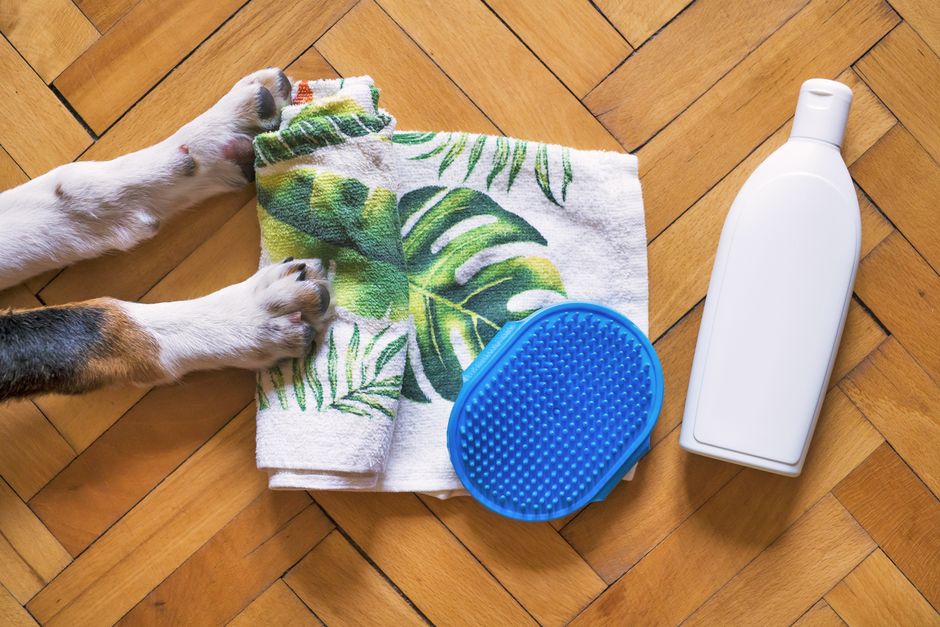
The slow feeder bowl encourages your dog to eat at a safer pace, while the lick mat keeps them calm and focused during baths, vet prep, or just a stressful afternoon. The self-cleaning slicker brush makes coat care quick enough that you'll actually stick with it, turning grooming into bonding time instead of a chore. And the GPS tracker collar? That's the one that gives you peace of mind the moment your curious new friend figures out how to sneak out the front door. Consider this kit your foundation — everything else is just extras.
Before bringing your new dog home, you should have a collar with ID tags, a 6-foot leash, food and water bowls, age-appropriate dog food, a crate, and a comfortable bed. You'll also want to pick up poop bags, a brush suited to your dog's coat type, and a few chew toys to keep them occupied. Having everything ready before day one reduces stress for both you and your new pup.
The initial starter kit for a new dog typically costs between $200 and $500, covering essentials like a crate, bedding, leash, collar, bowls, and basic grooming tools. Higher-end options or larger breeds can push costs closer to $700 or more when you factor in quality food, training aids, and vet visit supplies. Budgeting an additional $100–$300 for your first vet appointment, vaccinations, and flea/tick prevention is also highly recommended.
You should feed your new dog a high-quality food appropriate for their life stage — puppy, adult, or senior — with a named protein like chicken or beef listed as the first ingredient. Portion sizes vary by weight and breed, so follow the feeding guide on the bag and adjust based on your vet's advice. If your dog was on a different food before adoption, transition gradually over 7–10 days by mixing the old and new food to avoid digestive upset.
New dogs, especially puppies, need core vaccines including distemper, parvovirus, adenovirus (DAP), and rabies, which are considered essential for all dogs regardless of lifestyle. Your vet will set up a vaccination schedule, with puppies typically needing booster shots every 3–4 weeks until around 16 weeks of age. You should schedule a vet appointment within the first week of bringing your dog home to confirm their health status and get their vaccine plan started.
As an Amazon Associate I earn from qualifying purchases.
← All Reviews