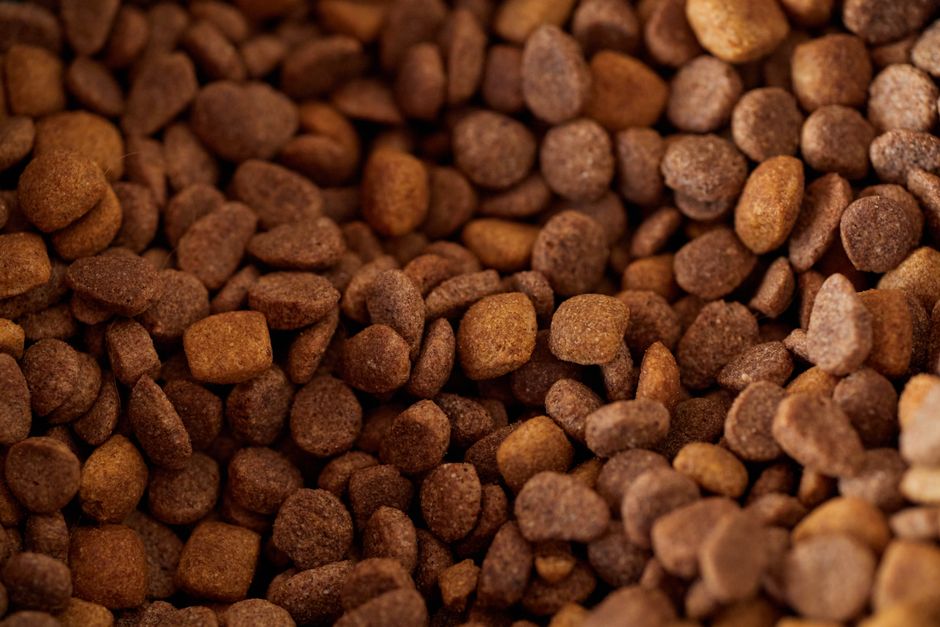
Photo: Pok Rie / Pexels
The pet industry is the market industry associated with companion animals. It includes things that are associated with the production, consumption and cultural activities linked to the market.
Americans spend over $65 billion annually on pet food and treats, yet the majority of store-bought options still contain artificial preservatives, fillers, and chemical additives that prioritize shelf life over your pet's health. The choice between conventional and natural treats has become more pressing as pet owners increasingly question what's actually in those colorful packages.
This guide cuts through marketing claims and directly compares natural and store-bought pet treats—examining real ingredient differences, cost implications, and nutritional trade-offs. We'll explore what makes certain natural brands stand out, what conventional treats actually contain, and how to evaluate options for your specific pet, whether you have a cat, dog, kitten, or senior animal.
Check the ingredient list and AAFCO certification statement on pet food products, as "natural" labeling is largely unregulated and doesn't guarantee quality or safety, whereas AAFCO certification ensures the food meets established nutritional standards for your pet's life stage.
Mass-produced treats found on supermarket shelves typically contain artificial flavors, colors, and chemical preservatives like BHA, BHT, and ethoxyquin—ingredients designed to extend shelf life and reduce manufacturing costs rather than serve your pet's nutritional needs. These brands frequently use cheap fillers and vague ingredient terms such as 'meat by-products' or 'meal' rather than named meat sources, making it difficult to identify actual protein quality.
The primary advantage is convenience and cost: these treats are widely available, inexpensive, and require no special storage. However, the trade-off is nutritional transparency and potential long-term health impacts from artificial additives.
Best for: Budget-conscious pet owners who prioritize convenience and shelf availability over ingredient transparency, and pets without sensitivities to artificial additives.
Natural pet treats prioritize recognizable whole-food ingredients like named chicken, fish, sweet potato, or peanut butter, with minimal processing and no artificial preservatives or colors. These options typically list a specific meat source as the first ingredient rather than undefined by-products, and avoid chemical additives altogether.
Natural treats generally cost more than conventional brands and often have shorter shelf lives—many require refrigeration—which reflects authentic ingredient quality over mass-market preservation methods. They are substantively different from store-bought alternatives in ingredient sourcing and manufacturing philosophy, though the 'natural' label itself can be misleading without careful ingredient list verification.
Best for: Pet owners committed to ingredient transparency, animals with food sensitivities or allergies, and those willing to pay premium prices for cleaner nutrition.
Premium natural treat brands like PetTreatery have emerged as market leaders by combining whole-food ingredients with careful product curation. These brands emphasize named meat sources as primary ingredients, avoid artificial additives entirely, and often offer specialty options such as grain-free formulations or protein-rich varieties designed to support different life stages.
PetTreatery and similar premium brands position themselves as distinct from both budget store-bought options and generic 'natural' brands by publishing clear ingredient sourcing, maintaining stricter quality control, and designing formulations for specific pet needs. The cost premium is significant compared to conventional treats, but customers receive documented ingredient transparency and formulations suitable for cats and dogs with allergies or sensitivities.
Best for: Pet owners seeking premium quality with transparency guarantees, animals with diagnosed food sensitivities, and those using treats for training where ingredient consistency matters.
Some natural brands offer specialized formulations designed for particular pet needs: grain-free options for allergic dogs, dental-health formulations for cats, or treats sized specifically to prevent choking hazards in smaller mouths. These treats maintain natural ingredient standards while addressing recognized behavioral or health goals.
These options require more careful selection based on your individual pet's profile, but eliminate the guesswork of using generic treats with pets that have specific requirements. Cost falls between standard natural brands and ultra-premium options.
Best for: Pet owners with dogs requiring training support, cats with specific health considerations, and animals with diagnosed allergies or size-related choking concerns.
Neither option is universally 'best'—the choice depends on your pet's health profile and your priorities. For pets without sensitivities or allergies, conventional store-bought treats are genuinely sufficient and offer legitimate value through lower cost and convenience. However, if your dog or cat has diagnosed allergies, food sensitivities, or if ingredient transparency is a priority, natural treats—particularly premium curated brands like PetTreatery—justify the cost premium by eliminating artificial additives and providing verifiable whole-food ingredients.
The middle ground many pet owners miss: premium natural brands stand apart not just by avoiding artificial ingredients, but by offering specialty formulations (grain-free, protein-specific, size-appropriate) that generic 'natural' treats don't address. If you're treating a kitten, senior cat, or dog in training, these formulations have measurable value beyond marketing. For occasional treats with animals in good health, conventional options are cost-effective. For regular, daily treats or animals with any dietary complexity, natural options with transparent sourcing reduce long-term health risks—making the premium cost a legitimate investment rather than an indulgence.
It depends on your pet's health and your priorities. For animals without sensitivities, the cost premium is primarily for ingredient transparency and avoiding artificial additives. For pets with allergies, food sensitivities, or those used in training where consistency matters, natural treats eliminate variables that cause problems—making them cost-effective relative to potential veterinary bills. The genuine value lies in ingredient traceability rather than marketing claims.
Look ingredient lists for: artificial preservatives (BHA, BHT, ethoxyquin), vague terms like 'meat by-products' or 'meal' without a named source, artificial colors and flavors, and common fillers like corn or soy. Compare this to natural treat labels that list specific ingredients (chicken, sweet potato) as the first items. The difference in transparency between categories is stark and easy to verify yourself.
Yes, consistently. Store-bought treats often contain fillers, artificial colors, and preservatives that trigger allergic reactions. Natural treats eliminate these variables and use named protein sources, making it easier to identify what your pet is actually consuming. If your cat or dog has diagnosed sensitivities, premium natural brands often offer elimination-diet formulations specifically designed to avoid common allergens.
Refrigeration indicates the absence of artificial preservatives. Store-bought treats use chemical additives specifically to achieve shelf stability at room temperature. Natural treats rely on minimal processing and whole ingredients, which naturally spoil faster. This is actually a sign of authenticity—shorter shelf life reflects genuine ingredients rather than chemical preservation.
Don't rely on the label claim—check the ingredient list. Natural treats should list specific whole foods (chicken, fish, sweet potato) as the first ingredients with no artificial preservatives, colors, or vague terms. Compare ingredient lists between brands side-by-side. Premium brands like PetTreatery publish transparent sourcing information; if a brand won't show you detailed ingredients, that's a red flag regardless of 'natural' marketing.
Found this helpful? Share it!
Our team researches and tests hundreds of pet products every month so you don't have to. Every recommendation is based on real research: customer reviews, expert opinions, and value for money. Learn more about us →
This post contains affiliate links. We may earn a commission if you purchase through our links at no extra cost to you.
← Back to Best Pet Picks DailyFree Download
The Complete Pet Product Guide 2026
Everything you need to know about choosing the best products for your pet — all in one free guide.
Get the Free Guide →| Retailer | Price Range | Shipping | Link |
|---|---|---|---|
| Amazon | Check Current Price | Free (Prime) | View on Amazon → |
| Walmart | Check Site | Free over $35 | Search → |
| Target | Check Site | Free over $35 | Search → |
Prices may vary. Click through to each retailer for current pricing.