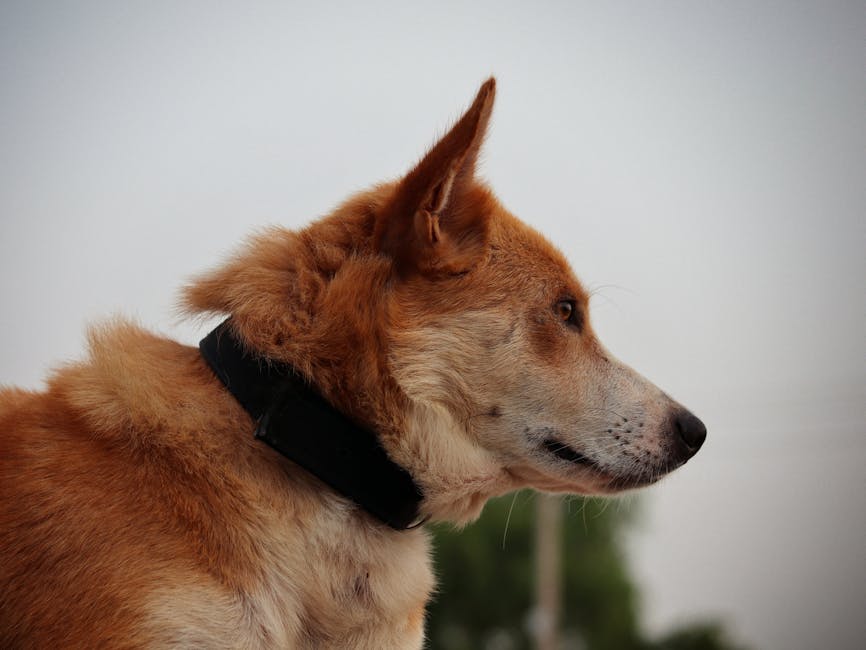
The pet industry is the market industry associated with companion animals. It includes things that are associated with the production, consumption and cultural activities linked to the market.
Every pet owner knows that heart-dropping panic when your dog slips through the fence and vanishes. You're left shaking, calling their name, wondering if you'll ever see them again. If you've ever asked yourself whether a GPS dog collar vs microchip is truly the best way to find lost dogs, you're not alone — and the answer might surprise you.
Check the subscription costs and coverage area of GPS collars before purchasing, as monthly fees can range from $10-30 and some services have limited signal in rural areas, whereas microchips have no ongoing costs but require the dog to be scanned by a shelter or veterinarian to be effective. Consider combining both technologies rather than relying on just one, since GPS collars offer real-time tracking while microchips serve as a permanent backup if the collar is lost or damaged.
Let's break it down simply. A microchip is a tiny device implanted under your dog's skin — about the size of a grain of rice. It holds a unique ID number that links back to your contact information in a registry. Sounds great in theory, right? The catch is that a microchip is completely passive. It does absolutely nothing until a vet or shelter scans your dog with a special reader. That means your dog has to be physically found and turned in before the chip ever helps anyone locate you.
A GPS dog collar, on the other hand, is an active tracking device you attach to your dog's collar. It uses satellite technology to pinpoint your dog's real-time location and sends that information straight to your smartphone. You don't wait for someone to find your dog — you go find your dog. In 2026, the best GPS trackers also include features like activity monitoring, safe zone alerts, and even health tracking, making them far more than just a lost-dog tool.
Here's the honest truth: GPS dog collars do cost more upfront than a one-time microchip implant. A quality GPS tracker typically runs between $50 and $150 for the device itself, plus a monthly subscription fee ranging from $5 to $15 for cellular data service. If you're on a tight budget, that recurring cost can feel like a lot. But consider what you're actually paying for — the peace of mind of knowing exactly where your dog is at any given moment, and a dramatically higher chance of getting them home safely if they ever go missing.
A microchip costs roughly $25 to $50 as a one-time fee, and it's still worth getting — no argument there. But it's more of a backup safety net than an active recovery tool. Most pet owners who've experienced a lost dog will tell you they wish they had a GPS tracker from day one. When you weigh the emotional cost of losing a pet against a small monthly fee, most dog owners find the investment absolutely worth it.
Amazon is one of the best places to compare top-rated GPS dog collars side by side, read verified buyer reviews, and often find solid deals on the most trusted brands. Whether you have a tiny Chihuahua or a large German Shepherd, you'll find collar options sized and rated for your specific dog. Check price on Amazon and browse the current best-sellers to find the right GPS tracker for your pup's needs and your budget.
If your goal is to actively find a lost dog fast, a GPS dog collar wins every single time — a microchip can only identify your dog after someone else finds them, while a GPS collar puts you in the driver's seat of the search. Do yourself and your dog a favor: get both the microchip as a permanent backup and a GPS collar as your first line of defense, and you'll never have to experience that awful helpless feeling again.
Most GPS trackers require a monthly data plan ($5-15/month) for real-time tracking over cellular networks. Some offer annual plans for better value. Always check subscription costs before buying.
Quality GPS pet trackers are accurate within 10-30 feet in open areas. Dense urban environments or heavy tree cover can reduce accuracy slightly.
GPS trackers work best outdoors. Indoors, signal can be weak. Some trackers use WiFi or Bluetooth as a fallback when GPS signal is lost.
Battery life varies by model and usage — typically 2-7 days. Trackers in active tracking mode drain faster. Look for models with low-power standby modes.
As an Amazon Associate I earn from qualifying purchases at no extra cost to you.
← Back to Pet PicksFollow us for the best pet products found on Amazon — updated every day
Free Download
The Complete Pet Product Guide 2026
Everything you need to know about choosing the best products for your pet — all in one free guide.
Get the Free Guide →Found this helpful? Share it!
Our team researches and tests hundreds of pet products every month so you don't have to. Every recommendation is based on real research: customer reviews, expert opinions, and value for money. Learn more about us →
| Retailer | Price Range | Shipping | Link |
|---|---|---|---|
| Amazon | Check Current Price | Free (Prime) | View on Amazon → |
| Walmart | Varies | Free over $35 | Search → |
| Target | Varies | Free over $35 | Search → |
Prices may vary. Click through to each retailer for current pricing.