Photo: Alex Urezkov / Pexels
The pet industry is the market industry associated with companion animals. It includes things that are associated with the production, consumption and cultural activities linked to the market.
At-home dog grooming can save substantial money and strengthen your bond with your pet—but only if you have the right tools and know how to use them. The difference between a mediocre grooming experience and professional-quality results often comes down to tool quality, blade sharpness, and understanding which equipment your dog's specific coat type actually needs.
This guide walks you through the essential components of a functional grooming kit, helps you evaluate quality versus budget options, and shows you how to set up a grooming station that works for both you and your dog. Whether you're maintaining a short coat between professional appointments or attempting a full trim at home, understanding these tools and techniques will significantly improve your results.
When selecting a dog grooming kit, verify that it includes both coarse and fine-toothed combs or brushes suited to your dog's coat type, as a one-size-fits-all brush won't effectively remove mats or shed hair from different fur textures. Check the blade quality and motor power of electric clippers if included, since cheaper models often overheat quickly and pull rather than cut hair cleanly, leading to discomfort for your dog.
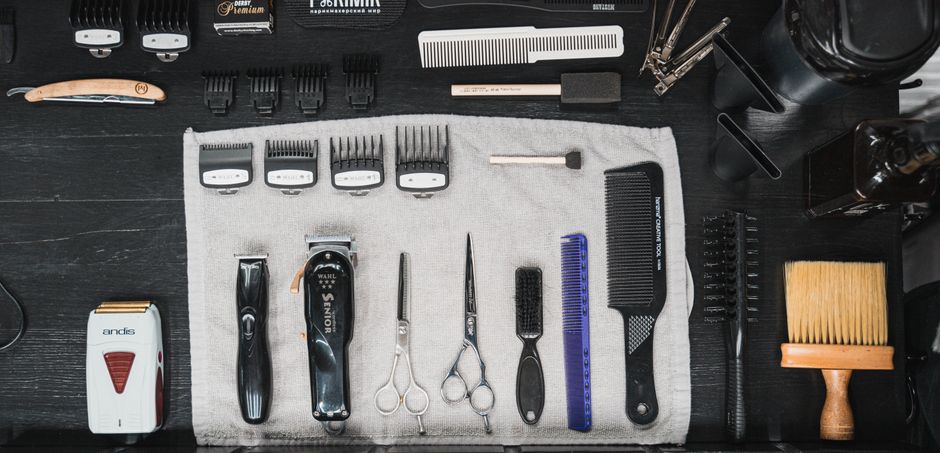
Electric clippers remain the core tool for any serious home grooming setup. Quality clippers feature stainless steel blades that cut cleanly rather than pull hair, multiple blade size options for different coat lengths, and compatibility with standard attachment sizes so you can upgrade individual components without replacing the entire unit. Professional kits typically include several blade sizes (like #10, #15, #30) to handle different areas and coat types.
Key consideration: Budget grooming kits often use low-grade stainless steel blades that dull quickly and pull rather than cut, creating discomfort for your dog and requiring frequent sharpening.
Best for: Dogs with medium to long coats; owners planning regular full trims or significant coat maintenance
The cordless vs. wired decision depends on your setup and dog's temperament. Cordless clippers offer freedom of movement and eliminate cord entanglement, but require charging and may have less consistent power for thick coats. Wired clippers provide constant power and typically maintain consistent blade speed, but limit your movement range and some dogs find the cord stressful.
Most comprehensive grooming kits include one or the other; compatibility with standard blade sizes matters more than the power source for long-term value.
Best for: Cordless: anxious dogs, small spaces, frequent touch-ups. Wired: thick-coated breeds, full-body trims, professional-level grooming
Grooming shears handle general trimming and blending, while thinning shears remove bulk from thick coats without creating visible lines. These hand tools are essential for detail work clippers can't accomplish—particularly around ears, faces, and paw pads. Quality shears have sharp, aligned blades and comfortable handles to prevent hand fatigue during longer grooming sessions.
Complete kits typically include both types, allowing you to achieve professional-looking blended finishes rather than the obvious "clipper line" appearance of clippers alone.
Best for: All coat types; essential for any owner attempting full grooming rather than basic maintenance
A quality slicker brush removes mats and tangles before clipping (matted hair clogs clipper blades and causes discomfort), while a metal comb handles detailed work and checks for remaining tangles. A bathing brush helps distribute shampoo evenly during baths. These tools are often underestimated but are critical for both coat health and clipper performance—you must fully detangle before using electric clippers.
Best for: All dogs; non-negotiable for long or curly-coated breeds
Complete kits include either scissor-style or guillotine-style nail clippers, with many owners preferring scissor clippers for better control. Nail grinders offer an alternative to clippers, gradually wearing down nails rather than cutting them—some dogs tolerate these better than the pressure of clippers. Whichever method you choose, regular nail maintenance (every 4-6 weeks) is essential for comfort and paw health.
Best for: All dogs; the specific tool (clipper vs. grinder) depends on your dog's anxiety level and your comfort
The most important purchase decision isn't which brand to choose, but rather committing to quality blade materials and tool compatibility. Whether you opt for cordless or wired clippers, professional-grade kits with stainless steel blades, interchangeable sizes, and standard attachment compatibility will outlast and outperform budget alternatives by a significant margin. The real cost difference comes from blade quality and durability, not from brand prestige.
For dogs with short coats needing occasional touch-ups, a quality clipper with 2-3 blade sizes and basic brushes/combs may suffice. For long-coated or double-coated breeds, or if you plan regular full grooming, invest in the complete package: clippers, multiple blade sizes, grooming and thinning shears, quality brushes, metal combs, and nail care tools. The addition of grooming shears (often missing from budget kits) is what separates amateur-looking results from genuinely professional finishes. Before purchasing, verify blade compatibility with standard sizes so you can upgrade individual components as they wear rather than replacing the entire kit.
Frequency depends on coat type: short-coated dogs need grooming every 4-6 weeks, while long-coated or curly-haired breeds may need weekly brushing and monthly trims. Regular maintenance between professional appointments (every 6-8 weeks) keeps your dog comfortable and prevents matting.
Verify blade quality (stainless steel, not low-grade steel), check that blades use standard attachment sizes for future upgrades, confirm what's included (you need clippers, shears, brushes, combs, and nail tools for a complete kit), and read whether blades are sharp enough for your dog's coat type. Many budget kits fail because their dull blades pull rather than cut.
No. Human clippers aren't designed for dog hair thickness and will overheat; human scissors lack the precision and durability needed for pet grooming. Always use tools specifically designed for dogs to avoid discomfort and equipment damage.
Start with short, positive sessions using cordless clippers (quieter than wired) and practice basic brushing first. Some dogs tolerate nail grinders better than clippers. If anxiety is severe, professional grooming may still be necessary, but having quality tools at home allows you to do small maintenance tasks between appointments.
Yes, if you follow basic safety: never use clippers on wet or matted hair (risk of clipper burn), keep blades cool, move in the direction of hair growth, and avoid sensitive areas like inner thighs and around genitals. Fully detangle your dog with brushes before clipping to prevent discomfort.
Use a sturdy, non-slip surface (grooming table or bathtub edge), ensure good lighting and easy access to all tools, have towels and a brush handy for detangling, and keep your dog calm with treats or a helper. Proper setup prevents injuries and makes grooming faster and easier for both you and your dog.
Found this helpful? Share it!
Our team researches and tests hundreds of pet products every month so you don't have to. Every recommendation is based on real research: customer reviews, expert opinions, and value for money. Learn more about us →
This post contains affiliate links. We may earn a commission if you purchase through our links at no extra cost to you.
← Back to Best Pet Picks DailyFree Download
The Complete Pet Product Guide 2026
Everything you need to know about choosing the best products for your pet — all in one free guide.
Get the Free Guide →| Retailer | Price Range | Shipping | Link |
|---|---|---|---|
| Amazon | Check Current Price | Free (Prime) | View on Amazon → |
| Walmart | Check Site | Free over $35 | Search → |
| Target | Check Site | Free over $35 | Search → |
Prices may vary. Click through to each retailer for current pricing.