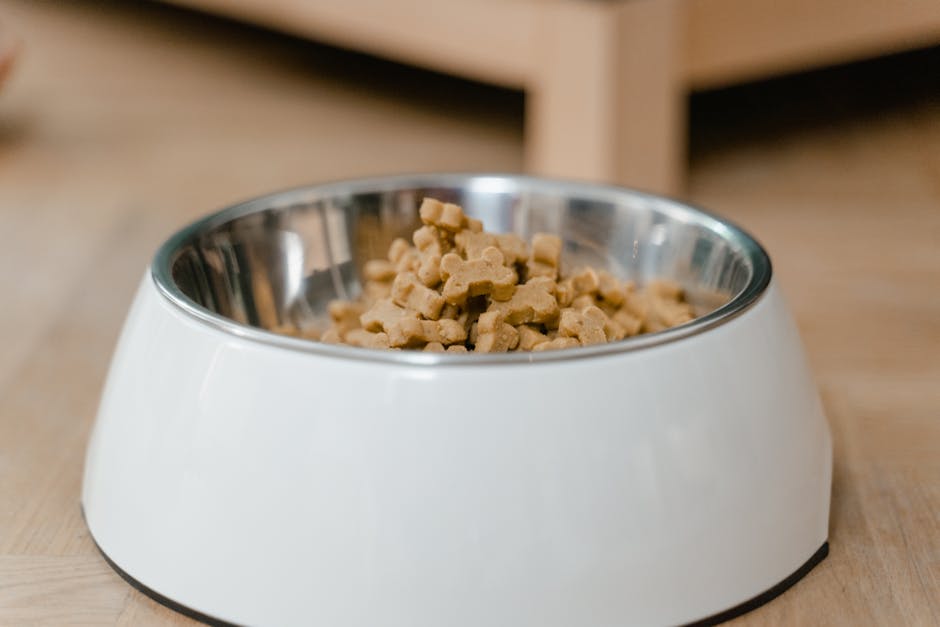
The pet industry is the market industry associated with companion animals. It includes things that are associated with the production, consumption and cultural activities linked to the market.
Ask ten dog owners what to feed a sensitive stomach and you'll get ten answers: switch to a limited-ingredient kibble, add pumpkin, go raw, go fresh, go grain-free. Somewhere in that noise sits cold-pressed dog food — a format that's been mainstream in the UK and Europe for over a decade and is now gaining ground in the US through brands like Nextrition Pet. The pitch is simple: instead of blasting ingredients at 250°F+ under high pressure like extruded kibble, cold-pressing compresses them at a much lower temperature for a matter of seconds, which is said to preserve nutrients and produce a food that breaks apart in the stomach rather than swelling.
But "gentler process" doesn't automatically mean "better for your dog." Extruded kibble has decades of feeding trials behind it, brands like Purina Pro Plan and Hill's Science Diet employ full-time veterinary nutritionists, and both make gastrointestinal formulas that vets recommend daily. Cold-pressed food, by contrast, is a smaller category with less published research — and it usually costs more.
Before purchasing heated pet beds or warming products, check the wattage and temperature settings to ensure they have automatic shutoff features and won't overheat, especially for cats and small dogs that may lie on them for extended periods.
This comparison puts Nextrition Pet up against three real alternatives — Purina Pro Plan Sensitive Skin & Stomach, Hill's Science Diet Sensitive Stomach & Skin, and UK cold-pressed pioneer Guru Pet Food — and looks at what actually differs: processing temperature, ingredient decks, price per pound, and who each one genuinely suits.
Extruded kibble is made by forcing a dough through a die under high heat and pressure, then puffing and drying it. The heat gelatinizes starch, which makes the food shelf-stable and highly digestible in a measurable sense — but it also degrades some heat-sensitive vitamins, which is why manufacturers spray a vitamin and fat coating back on afterward. Cold-pressed food is compressed at roughly 40–80°C (104–176°F) for seconds, producing a denser pellet with no post-coating. The practical difference owners notice most: a cold-pressed pellet crumbles in water within a minute or two, while a kibble pellet swells and holds shape. For dogs prone to gulping, bloating, or gassy discomfort after meals, that texture difference is the whole argument.
Nextrition Pet builds its line around cold-pressed recipes plus a supporting range of supplements and treats aimed at gut health. Recipes lead with named meats and include functional additions — pumpkin, prebiotic fibers, and probiotic or postbiotic support depending on the formula — rather than relying on a single protein-and-starch base. Because nothing is heat-blasted, the fat comes from the ingredients themselves instead of a sprayed-on palatant, which is why cold-pressed food tends to smell milder and leave less grease on your hands.
The trade-offs are real. Expect to pay meaningfully more per pound than a supermarket or vet-recommended kibble — cold-pressed food generally lands in the premium tier, often two to three times the cost per pound of Pro Plan. Bag sizes are smaller, availability is largely direct-to-consumer rather than in every big-box store, and Nextrition does not publish AAFCO feeding-trial data the way Purina and Hill's do; its formulas are formulated to AAFCO nutrient profiles instead. For a healthy dog with an occasionally grumbly stomach, that's fine. For a dog with a diagnosed GI disease, it's a distinction worth discussing with your vet. You can browse the current range and pricing on the Nextrition Pet site.
Pro Plan's Salmon & Rice Sensitive Skin & Stomach formula is arguably the most widely vet-recommended sensitive-stomach kibble in the US, and for good reason: Purina runs AAFCO feeding trials, employs board-certified veterinary nutritionists, owns its manufacturing, and includes live probiotics in several SKUs. At roughly $2.50–$3.50 per pound on a 30 lb bag, it's dramatically cheaper than any cold-pressed option — often under $100 for a bag that lasts a 50 lb dog well over a month. The ingredient deck won't thrill boutique-food shoppers (rice, oat meal, corn gluten meal appear in some variants), but ingredient aesthetics and digestibility aren't the same thing. If your dog does well on it, there is no nutritional argument for spending three times as much.
Hill's sits in similar territory to Pro Plan: research-driven, feeding-trial tested, widely available, and priced around $2.80–$3.80 per pound. Its Sensitive Stomach & Skin line uses prebiotic fiber and a moderate fat level, and Hill's has a unique advantage — if your dog escalates from "sensitive" to "diagnosed," there's a direct prescription pathway (i/d, i/d Low Fat, z/d) with published clinical data behind it. Where Hill's loses ground against Nextrition is ingredient quality perception and processing: it's still high-heat extruded, chicken meal and corn appear prominently, and palatability can be an issue with picky eaters who've been raised on richer foods.
Guru is one of the original cold-pressed brands and the best direct comparison to Nextrition on process. Its recipes are unusually high in fresh named meat by percentage, avoid grain in several lines, and include botanicals and prebiotics. UK pricing typically works out around £5–£7 per kg, which is genuinely competitive with Nextrition when converted, and Guru has years of owner feedback behind it. The catch for US readers: availability. Importing means shipping costs and delays, and any diet you can't reliably restock is a bad diet — inconsistent food is one of the fastest routes to loose stools. If you're in the UK or EU, Guru is a legitimate rival to Nextrition. If you're in the US, Nextrition is the far more practical cold-pressed option.
Format matters less than three things: consistency, transition speed, and fat content. Switching foods over 7–10 days, avoiding table scraps mid-transition, and keeping fat moderate will resolve more digestive complaints than any processing method. Cold-pressed food's advantages — lower gastric swelling, denser calories per cup, milder odor — are real but incremental. If your dog is currently thriving on kibble, chasing a format change is optimization, not medicine.
There's no universal winner here — it depends on your dog and your budget. If your dog has a diagnosed GI condition, or you're feeding a large dog on a tight budget, Purina Pro Plan Sensitive Skin & Stomach or Hill's Science Diet Sensitive Stomach & Skin are the smarter buys: feeding-trial tested, vet-supported, widely stocked, and under $3.50 a pound. Spending triple that on a dog already doing well on Pro Plan buys you very little. But if your dog has vague, persistent digestive grumbles that kibble hasn't solved — gulping, post-meal bloating, greasy coat, inconsistent stools — the low-temperature processing and cleaner ingredient deck of Nextrition Pet is a legitimately different approach rather than another kibble with a new label, and it's the most practical cold-pressed option for US buyers now that Guru remains largely UK-bound. Buy the smallest bag first, transition over ten days, and judge by stool quality at week three — not by the marketing on the bag.
Shop Nextrition Pet →It's digested differently rather than definitively better. Cold-pressed pellets break apart in stomach fluid within a minute or two instead of swelling like extruded kibble, which can reduce post-meal bloating and gulping discomfort. However, extrusion gelatinizes starch, which improves starch digestibility, and brands like Purina and Hill's have published digestibility and feeding-trial data that most cold-pressed brands don't. Both can suit a sensitive dog.
Yes, and many owners do it as a cost-saving half-and-half approach. Because the two formats break down at different rates, introduce it slowly over 7–10 days and watch stool consistency. Just make sure you recalculate portions — cold-pressed food is denser per cup than most kibble, so feeding the same volume can accidentally overfeed.
Three reasons: lower-temperature production runs are slower and less efficient than high-volume extrusion, recipes typically use a higher percentage of named meat and fewer cheap starch fillers, and smaller brands lack Purina's manufacturing scale and retail distribution. Expect roughly $6–$10 per pound for cold-pressed versus $2.50–$3.50 for Pro Plan Sensitive Skin & Stomach.
Found this helpful? Share it!
Our team researches and tests hundreds of pet products every month so you don't have to. Every recommendation is based on real research: customer reviews, expert opinions, and value for money. Learn more about us →
This post contains affiliate links. We may earn a commission if you purchase through our links at no extra cost to you.
← Back to Best Pet Picks DailyFree Download
The Complete Pet Product Guide 2026
Everything you need to know about choosing the best products for your pet — all in one free guide.
Get the Free Guide →| Retailer | Price Range | Shipping | Link |
|---|---|---|---|
| Amazon | Check Current Price | Free (Prime) | View on Amazon → |
| Walmart | Check Site | Free over $35 | Search → |
| Target | Check Site | Free over $35 | Search → |
Prices may vary. Click through to each retailer for current pricing.