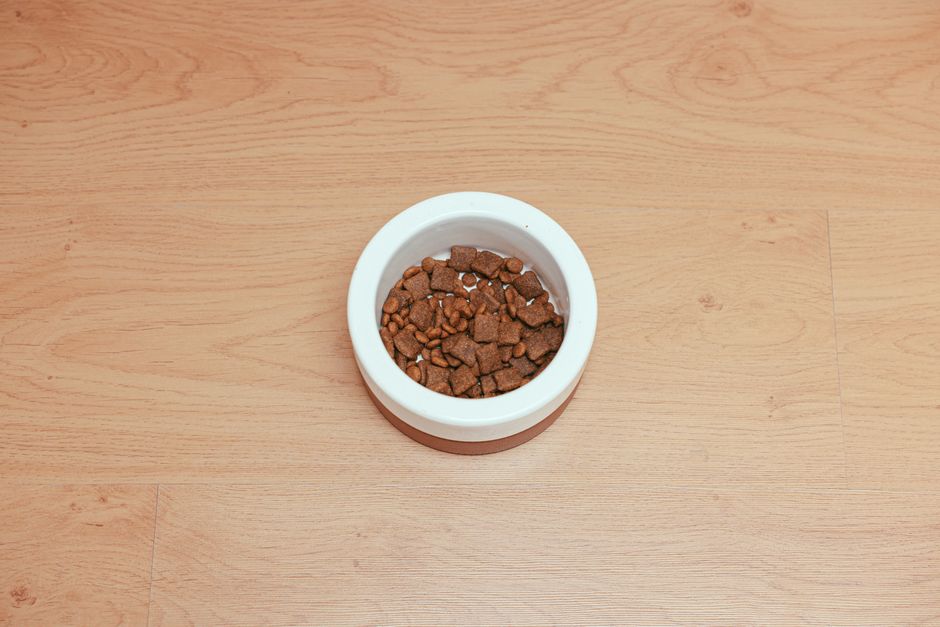
Photo: Cup of Couple / Pexels
The pet industry is the market industry associated with companion animals. It includes things that are associated with the production, consumption and cultural activities linked to the market.
Indoor cats face a genuine problem: they've lost the natural hunting and foraging behaviors that kept their wild ancestors mentally engaged for hours. Modern feeding bowls do nothing to address this gap—they're just flat dishes that eliminate any challenge whatsoever. The result? Overweight, restless, and destructively bored cats.
The Catit Design Senses 2.0 line addresses this with two distinct products: the Food Maze and the Food Tree. Both promise to slow eating, reduce bloating and regurgitation, and provide mental enrichment. Both sit at similar price points ($20–30) with 500+ Amazon reviews averaging 4.3 stars. But they're genuinely different products with different strengths—and they're not interchangeable.
Before purchasing, verify that the puzzle feeder's difficulty level matches your pet's experience with enrichment toys, as the Food Maze suits beginners while the Food Tree challenges advanced problem-solvers and can lead to frustration or boredom if mismatched. Additionally, check your pet's feeding speed and jaw strength, since the Food Maze's wider compartments work better for cats and smaller dogs, while the Food Tree's design suits larger, more persistent chewers.
Here's what actually works, what doesn't, and which one matches your cat's needs and your home setup.
A flat, horizontal puzzle feeder with adjustable maze compartments and varying hole sizes that force cats to use their paws to extract kibble. The design creates a ground-level feeding experience with multiple difficulty levels you can adjust as your cat learns the puzzle.
Real-world testing shows cats take 10–15 minutes per meal instead of 2 minutes—a substantial slowing effect. The maze compartments are sized for standard kibble, though larger pieces can get stuck in the narrow channels.
Best for: Cats that eat too fast but prefer ground-level feeding; owners with limited vertical space; cats that respond to paw-based puzzle mechanics
A three-tier vertical feeder that extends feeding time through vertical separation and compartment variety. The design uses different hole sizes across multiple levels, forcing cats to problem-solve rather than mindlessly consume kibble.
Like the Maze, the Food Tree slows eating to 10–15 minutes per meal. The vertical design takes up more floor/counter space but requires cats to reach across different heights, adding a physical component to the enrichment experience.
Best for: Cats with climbing ability; homes with vertical space available; owners who want a more sculptural enrichment piece; cats that prefer reaching/climbing mechanics over pure paw work
Both the Catit Design Senses 2.0 Food Maze and Food Tree deliver genuine results: they slow fast eaters, reduce vomiting and bloating, and provide real mental enrichment. The core difference is physical design and your home/cat setup.
Choose the Food Maze if: Your cat is ground-focused, you have limited vertical space, or you prefer a compact feeder that doesn't dominate your kitchen. It's the more space-efficient option and works reliably for cats that enjoy paw-based puzzle mechanics.
Choose the Food Tree if: You have vertical space, your cat climbs, and you want to add a sculptural element to your home. The three-tier design adds a physical climbing component that some cats find more engaging than horizontal-only puzzles, and it legitimately extends feeding time just as effectively.
Both cost roughly the same ($20–30) and carry identical 4.3-star ratings based on 500+ real reviews. The deciding factor is your home layout and your cat's natural behavior—not price or quality. Verify your kibble size matches your chosen feeder's openings before purchasing, and confirm you have adequate space for whichever design you select. Either option is a legitimate upgrade over flat bowls for cats with eating speed problems.
Both feeders show consistent real-world results across hundreds of verified user reviews. Cats don't have a choice—they're hungry, and kibble is only accessible through the puzzle mechanism. Most cats figure out the maze or tree within the first few meals. However, if your cat is extremely stubborn or has never encountered a puzzle feeder, you may need to place a few kibbles on top initially to spark interest.
Slightly messier. Cats use their paws to extract kibble, which means some pieces scatter beyond the feeder base. Most owners report sweeping up a small circle of kibble around the feeder—not a major inconvenience, but worth considering if you have carpet or limited floor space for cleanup.
No. Both the Maze and Tree are designed exclusively for dry kibble. Wet food clogs the narrow channels and maze compartments, rendering the puzzle mechanism useless. If you feed wet food, you'll need a separate bowl.
Both feeders require regular washing to prevent kibble dust and mold buildup in the compartments. Most owners clean after 2–3 days of use. The durable plastic construction survives repeated washing cycles without cracking, which is a genuine advantage over cheaper alternatives.
Indirectly, yes. Slowing eating pace reduces the amount of food your cat can consume in a single sitting and improves digestion. However, neither feeder restricts portion sizes—it just distributes the same amount of food across a longer time period. True weight loss requires portion control, exercise, and (ideally) veterinary guidance. These feeders are a piece of the solution, not the whole answer.
The Maze is horizontal and compact; the Tree is vertical and takes up more space. Both slow eating equally well (10–15 minutes per meal). The Tree adds a climbing/reaching component that some cats find more engaging, while the Maze is pure paw-based puzzle work. Choose based on your home layout and whether your cat climbs.
Found this helpful? Share it!
Our team researches and tests hundreds of pet products every month so you don't have to. Every recommendation is based on real research: customer reviews, expert opinions, and value for money. Learn more about us →
This post contains affiliate links. We may earn a commission if you purchase through our links at no extra cost to you.
← Back to Best Pet Picks DailyFree Download
The Complete Pet Product Guide 2026
Everything you need to know about choosing the best products for your pet — all in one free guide.
Get the Free Guide →| Retailer | Price Range | Shipping | Link |
|---|---|---|---|
| Amazon | Check Current Price | Free (Prime) | View on Amazon → |
| Walmart | Check Site | Free over $35 | Search → |
| Target | Check Site | Free over $35 | Search → |
Prices may vary. Click through to each retailer for current pricing.
